Ceasefire agreements are often seen as a bridge between war and peace. They can reduce violence, open up aid corridors, and bring warring parties into negotiations. However, not all ceasefires are equal in depth or scope and can have a range of political and military consequences on the ground. Many end up stuck in the murky, grey areas between war and peace, where conflict parties compete to rewrite the rules, push their limits, apply pressure and press home political or military advantages.
Some ceasefires, such as several of those signed in the Middle East since 7 October, 2023, have collapsed under the weight of these competing pressures. Others, such as India’s 29-year old ceasefire with rebels in its far Northeastern region of Nagaland, continue to rumble on in a prolonged state of limbo between war and peace. In both cases, conflict parties routinely violate the ceasefire rules they signed up to; what differs is the durability of the unwritten rules beyond those written on paper.
In this talk I argue that we need to better understand the unwritten rules, politics and negotiations beyond formal ceasefire agreements if we are to make sense of how and why ceasefire violations take place. I draw on research on the politics of ceasefires, including my own fieldwork for my forthcoming book Managing Insurgency: Counterinsurgency and Order Negotiation in Northeast India, as well as reflecting on recent 2026 field trips to the sites of two deeply imperfect and controversial ceasefires; the Israel-Gaza and Israel-Lebanon borders.
About the speaker
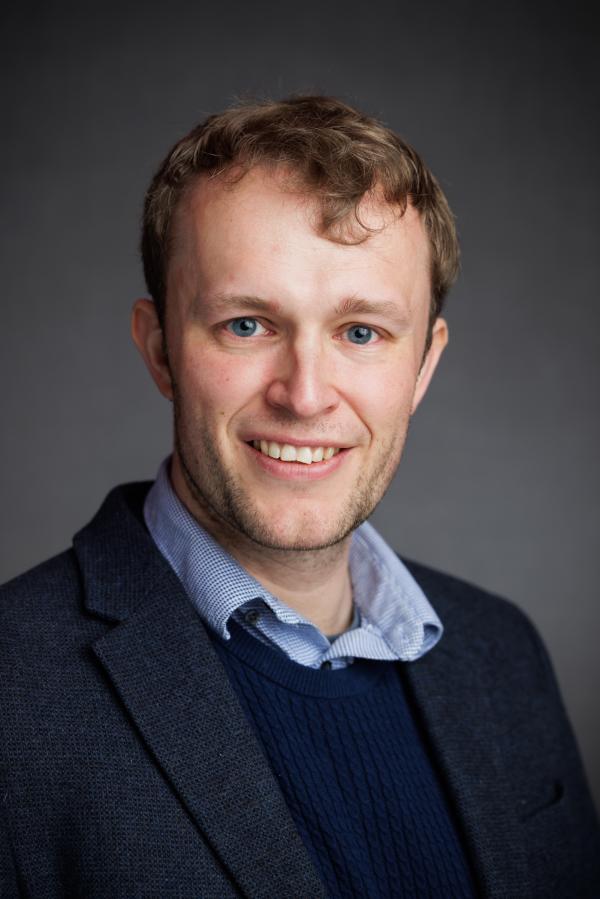
Alex Waterman is a Lecturer in Peace Studies and International Development at the University of Bradford and Co-Editor of the academic journal Civil Wars. His research investigates the micro-dynamics of civil wars, counterinsurgency campaigns and ceasefires. His first book, Managing Insurgency: Counterinsurgency and Order Negotiation in Northeast India is being published by Oxford University Press in late 2026, and he has written eleven peer-reviewed articles published in leading academic journals. He has published or delivered 45 other contributions spanning book reviews, commentaries, think tank reports and media and policy dissemination activities with outlets in India, the United States, Australia, Germany and the United Kingdom.
31a Harrogate Road, Chapel Allerton
Leeds
LS7 3PD
United Kingdom
Show on map
53.8278011, -1.537324
Date
Tickets
Access
Links